Data & Technology
The Hidden Speed Bump in Healthcare: Solving the Unstructured Data Crisis

last updated Updated
May 5, 2026
4 min read

 Data & Technology
At RSNA 2025, it became clear that the future of healthcare AI is less about showy algorithms and more about pragmatic, real-world integration – particularly when it comes to efficiency in clinical workflows. While attendees admired next-generation diagnostic tools and advanced imaging analytics, the conversations that resonated most were about tackling unstructured data.
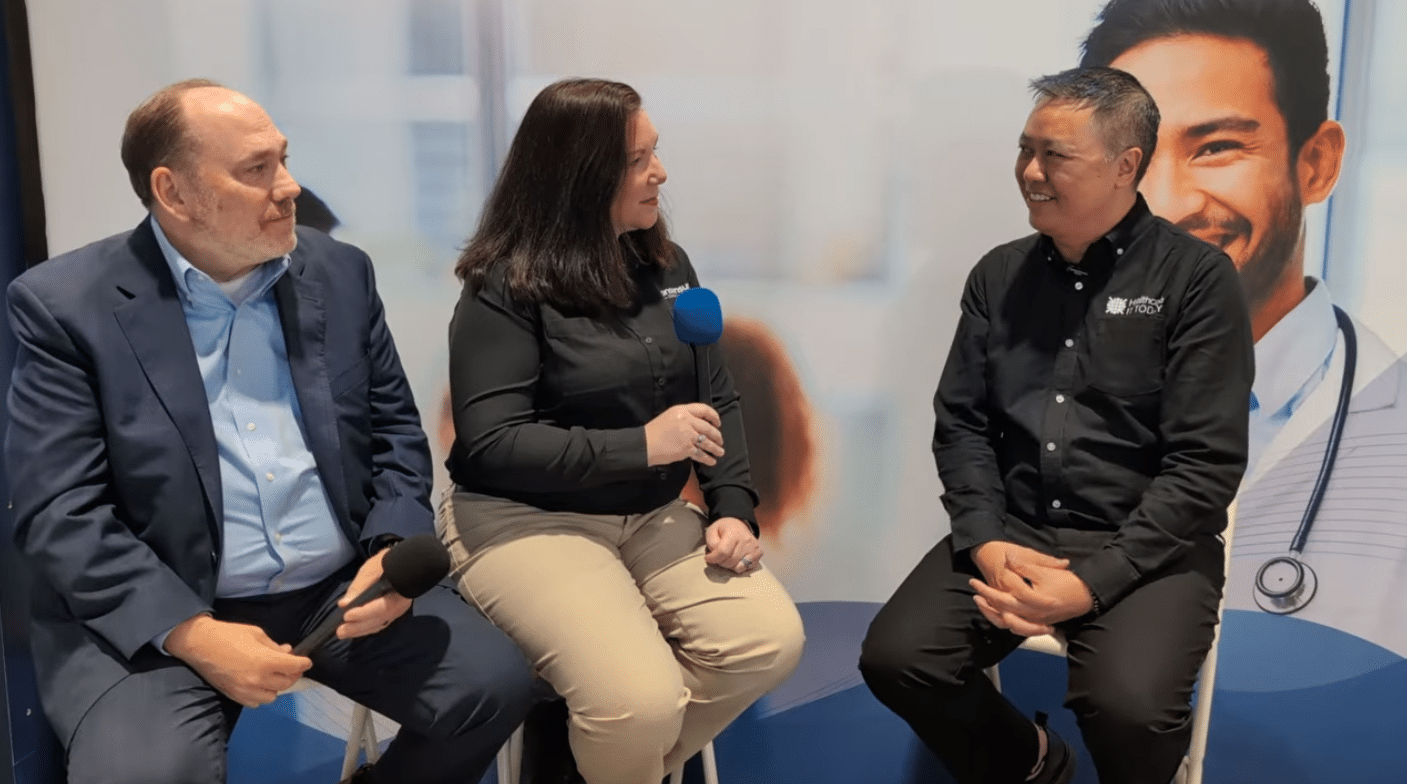
Marianne Soucy, Solutions Engineer at eFax®, and Roy Vincent, Vice President of Sales and Marketing at medQ, a global leader in imaging workflow automation, recently addressed some of the major data obstacles for radiology and intake workflows directly – and how the right AI integration can make that data easier to find and easier to action for sufficient continuity of care.
How Fax Data Influences Radiology Workflows and Patient Care
Fax remains deeply woven into the fabric of healthcare. As highlighted by Roy Vincent, “About 70% of healthcare is still utilizing fax today. We haven’t moved past that technology.”
This isn’t for lack of innovation; health leaders know the challenge itself isn’t fax but what happens to the masses of unstructured data once they arrive.
Unstructured data creates massive administrative burdens. Documents land in digital inboxes without context, leaving staff to open and examine each piece, wasting time and increasing the risk that important information gets misplaced, misused, or delayed.
As Soucy describes, “You’ve got a list of faxes. That’s just A, B, C, D, E. You have no idea what’s in them. You are clicking through five or six pages of results, looking for the fax that the person is waiting on the phone to talk to you about.” For clinicians and patients alike, these lags impact the delivery and safety of care, sometimes in critical ways.
Structure Before Speed: Making Fax Data Work for You
Both Soucy and Vincent emphasize one key point: The real problem isn’t the communication channel; it’s what happens when data remains unstructured, unseen, and unprioritized. RSNA 2025 illuminated once clear message: speed in processing clinical documents is now a patient safety issue, not just an operational one.
eFax® Clarity is an artificial intelligence solution designed to change that dynamic. Instead of letting faxes linger in queues, it uses AI in the form of Intelligent Document Processing to extract crucial elements like patient demographics, order details, or stat requests as soon as documents arrive. High volumes of incoming documentation are then parsed and routed to their appropriate location so they can be triaged and acted upon without manual review.
Vincent details how this intelligence integrates with medQ’s radiology workflow platform: “They’re parsing the data for us. They’re looking at, is it in order? Is it just documents supporting the exam? Is it just notes from the doctor? What is it that’s happening? What’s coming in? Where do we need to put that?” As a result, urgent cases aren’t buried under routine paperwork, and every valid order reaches scheduling and reporting teams faster.
Efficiency and Patient Safety: Two Sides of the Same Coin
The operational gains are significant, but the patient impact is even greater. “If you don’t get a report turned around in time, you’re not treating a patient in time,” Vincent explains.
When intake data and orders are processed quickly and routed accurately, time-to-diagnosis shrinks. This improvement isn’t just measured in hours; it translates into better clinical outcomes, higher patient satisfaction, and less stress for members of staff.
Soucy adds that the patient perspective is often overlooked in technical discussions: “Think about when you need healthcare. You’re sick, you’re worried, you are not really all that interested in waiting.” Automated intelligent document processing and triage means patients aren’t left waiting in limbo for test results or appointments, reducing anxiety and improving overall care experience.
From Pain Point to Progress
For organizations ready to tackle this challenge, both Soucy and Vincent offered simple, actionable advice: focus on clearly defined pain paints and seek out solutions that deliver timely ROI.
medQ’s workflow integration with eFax® Clarity is proof that real progress occurs not by aiming to eliminate faxes altogether, but by making the information they carry visible and useful from the moment it arrives. When radiology operations achieve clarity at the data level, the entire workflow accelerates, helping hospitals and imaging centers keep pace with the demands of patient care and modern medicine.
See the Full Discussion
Ready to dive deeper into the future of workflow automation?
Watch Healthcare IT Today’s full, in-depth interview with Marianne Soucy of eFax® and Roy Vincent of medQ to learn exactly how AI-powered solutions like eFax® Clarity and medQ’s platform are transforming unstructured data into actionable intelligence—and protecting patient safety in the process.